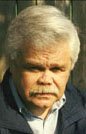
On the Rap Sheet J. Franklin Pierce recommends a Salon site called Re-Viewed. Jeff particularly likes (with one exception) a piece on the Perry Masons by Louis Bayard.
"Leaving aside his criminal misrepresentation of Mason creator Erle Stanely Gardner as a “bad writer” (he wasn’t that at all--Gardner was an author who understood what his audience wanted, and that was punchy prose, thoroughly twisted plots, and dialogue filled with the gams-and-gats slang-speak of his era), Bayard nicely captures the dramatic appeal of Perry Mason, which ran originally from 1957 to 1966. He writes:
"The episodes chosen for the 50th anniversary DVD release boast early appearances by star-hatchlings like Robert Redford, Burt Reynolds and Ryan O’Neal, as well as a bizarre guest-lawyer performance by Bette Davis at her herky-jerkiest. But the shows themselves are still the attraction. Watching them, you may be surprised at how gore-free they are--virtually every murder takes place off-screen--and how unafraid the writers were of boring us with complicated points of law. But there’s a larger and subtler surprise: A show conceived in the Eisenhower era is, for all intents and purposes, a harbinger of 1960s counterculture, the kind of anti-law enforcement, pro-Bill of Rights template that Abbie Hoffman might have scripted."
For the rest of the piece log on to the Rap Sheet and while you're there check out Jeff's own piece on Gardner, one of the finest, smartest assessments of The Man ever written. http://therapsheet.blogspot.com/2007/07/defense-never-rests.html
My own favorite Gardners are the A.A. Fairs and the pulp western-mysytery novelettes known as The Whispering Sands collectively.
Ass I mentioned to Jeff until recently I was able to wrap up my day by watching the early Perry Masons at nine every night. Relaxing and fun. But now some moron has replaced them with a moronic sit-com.
Tuesday, April 29, 2008

Monday, April 28, 2008
Rogue Cop; I just wanna thank ya honey
TCM ran Rogue Cop the other day. I'd seen it a long time ago and hadn't much liked it. I didn't like it any better this time. Robert Taylor out grew his pretty boy looks but with one exception--Devil's Doorway directed by Anthony Mann--he was always pretty much a mannequin. Here he looks old and tired as the bad cop forced to turn on his mobster friends in order to save his innocent brother.
In the William P. McGivern novel there's a Graham Greenian undertow of Catholic sin and Catholic redemption. There's also a fury in the pace and the rock hard prose.
Here we have a dozy performance by George Raft whose every utterance is a cliche. And who is surrounded by bad guy actors who would have been bounced from old Republic serials.
I read the novel afterward and I'll say again what I've said before--McGivern was a major writer of crime fiction. That he is so utterly forgotten astonishes me.
GEEZERS REMEMBER WHEN YOU TOLD THE DISC JOCKEY TO PLAY A SPECIAL SONG FOR YOUR HIGH SCHOOL GAL CAUSE YOU LOVED HER SO MUCH, SAY MAYBE FRANKIE AVALONE'S WHEN A GIRL CHANGES FROM BOBBY SOX TO STOCKINGS CAUSE SHE'S JUST SO DAGGONE SWEET?
WELL FRIENDS THE TIME HAVE CHANGED.
From Page Six this morning:
"A less polite crowd was across town at the Newseum, where actress Rosario Dawson hosted Jason Binn's Capitol File magazine after-party. We heard that the event DJ, Fall Out Boy Pete Wentz, kept it classy by shouting, "I just want to thank my girlfriend's vagina!" before he started spinning, referring to his new fiancée, Ashlee Simpson."
In the William P. McGivern novel there's a Graham Greenian undertow of Catholic sin and Catholic redemption. There's also a fury in the pace and the rock hard prose.
Here we have a dozy performance by George Raft whose every utterance is a cliche. And who is surrounded by bad guy actors who would have been bounced from old Republic serials.
I read the novel afterward and I'll say again what I've said before--McGivern was a major writer of crime fiction. That he is so utterly forgotten astonishes me.
GEEZERS REMEMBER WHEN YOU TOLD THE DISC JOCKEY TO PLAY A SPECIAL SONG FOR YOUR HIGH SCHOOL GAL CAUSE YOU LOVED HER SO MUCH, SAY MAYBE FRANKIE AVALONE'S WHEN A GIRL CHANGES FROM BOBBY SOX TO STOCKINGS CAUSE SHE'S JUST SO DAGGONE SWEET?
WELL FRIENDS THE TIME HAVE CHANGED.
From Page Six this morning:
"A less polite crowd was across town at the Newseum, where actress Rosario Dawson hosted Jason Binn's Capitol File magazine after-party. We heard that the event DJ, Fall Out Boy Pete Wentz, kept it classy by shouting, "I just want to thank my girlfriend's vagina!" before he started spinning, referring to his new fiancée, Ashlee Simpson."
Sunday, April 27, 2008
They don't make `em like this no more--thank God
Back when I was editing Mystery Scene one of the most valuables pieces I could come by was a Bill Pronzini profile of a writer or his take on some aspect of publishing past. With Gun In Cheek and others Bill has proven himself to be a man who knows how to have a good time with bad writing.
Sometimes I Google Bill's name to reread some of the finest pieces he's published various magazines over the years. Here's one of my favorites, this time from Mystery-File.
PHOENIX PRESS
The Saga of the Risen Phoenix
by Bill Pronzini
Norma Goold was the most beautiful corpse Allen Starke had ever beheld. When he had seen her, lithe and young and magnetically compelling, doing her number at The Gayety burlesque house a few hours previously, he had understood his friend Paul Cloud’s infatuation with her. And even in death the power she had over men continued.
Paul Cloud, and his whole family with him, was drawn into the net of suspicion spread as a result of Norma’s violent demise. So was Paul’s fiancée, and the playboy backer of The Gayety, and an Italian gambler who had known La Goold when her name had been plain Marcella Cadorna. And before it all ended, Allen wished he had never left Kentucky’s peaceful blue grass for New Orleans.
– Jacket blurb for Death for the Lady, by Stewart Vanderveer, Phoenix Press.
Once upon a time, in the kingdom of New York, there was a publishing company called Phoenix Press.
Like many others born during the Great Depression, Phoenix was a lending-library publisher, which is to say that it grew up in a very tough and competitive neighborhood and was often forced to fight for survival with other lending-library publishers –Godwin, Greenberg, Arcadia – that operated in the same ghetto. Phoenix’s parentage is unknown. Perhaps it had no parentage in the conventional sense; perhaps it simply sprang from the ashes of some defunct flapper-era publisher, youthfully alive and functional, read to do battle in the marketplace. Such is the stuff of legends and fairy tales.
But Phoenix Press was stronger and more dedicated than the other lending-library publishers, and soon it surpassed them all to become the strongest in the kingdom. Guided by the keen eyes and iron hearts of its two chief editorial wizards, Emmanuel Wartels and Alice Sachs, it produced more mysteries, Westerns, and light romances during the thirties and forties than any other house. It was surely the monarch of all lending-library publishers everywhere.
This, however, was not its greatest distinction. Rather, it is the fact that in less than twenty years, Phoenix published almost as many wonderfully bad novels as all the other publishers combined.
The reason behind this remarkable achievement was an unstinting devotion to the principles of capitalistic free enterprise. Or to put it another way, it was a matter of greed. Phoenix published a large quantity of books and yet paid absolute minimum royalties to its writers. In an article for the Writer’s 1941 Year Book, novelist and screenwriter Steve Fisher says that he received the handsome sum of $125 for all rights to his first novel, Spend the Night, in 1935. Rates escalated dramatically to $300 for all rights – and even to $500 for some of Phoenix’s more prolific contributors –in the late thirties; where they remained for many years to come. This policy of paying rock-bottom prices allowed Phoenix to buy manuscripts that had been rejected by the major publishers and by some of the other lending-library outfits as well. And the preponderance of these manuscripts were, to put it in charitable terms, only marginally publishable by most standards. Thus, by a combination of design and accident, were so many classics given life in the kingdom.
for the rest go here http://www.lendinglibmystery.com/Phoenix/Pronzini.html
Sometimes I Google Bill's name to reread some of the finest pieces he's published various magazines over the years. Here's one of my favorites, this time from Mystery-File.
PHOENIX PRESS
The Saga of the Risen Phoenix
by Bill Pronzini
Norma Goold was the most beautiful corpse Allen Starke had ever beheld. When he had seen her, lithe and young and magnetically compelling, doing her number at The Gayety burlesque house a few hours previously, he had understood his friend Paul Cloud’s infatuation with her. And even in death the power she had over men continued.
Paul Cloud, and his whole family with him, was drawn into the net of suspicion spread as a result of Norma’s violent demise. So was Paul’s fiancée, and the playboy backer of The Gayety, and an Italian gambler who had known La Goold when her name had been plain Marcella Cadorna. And before it all ended, Allen wished he had never left Kentucky’s peaceful blue grass for New Orleans.
– Jacket blurb for Death for the Lady, by Stewart Vanderveer, Phoenix Press.
Once upon a time, in the kingdom of New York, there was a publishing company called Phoenix Press.
Like many others born during the Great Depression, Phoenix was a lending-library publisher, which is to say that it grew up in a very tough and competitive neighborhood and was often forced to fight for survival with other lending-library publishers –Godwin, Greenberg, Arcadia – that operated in the same ghetto. Phoenix’s parentage is unknown. Perhaps it had no parentage in the conventional sense; perhaps it simply sprang from the ashes of some defunct flapper-era publisher, youthfully alive and functional, read to do battle in the marketplace. Such is the stuff of legends and fairy tales.
But Phoenix Press was stronger and more dedicated than the other lending-library publishers, and soon it surpassed them all to become the strongest in the kingdom. Guided by the keen eyes and iron hearts of its two chief editorial wizards, Emmanuel Wartels and Alice Sachs, it produced more mysteries, Westerns, and light romances during the thirties and forties than any other house. It was surely the monarch of all lending-library publishers everywhere.
This, however, was not its greatest distinction. Rather, it is the fact that in less than twenty years, Phoenix published almost as many wonderfully bad novels as all the other publishers combined.
The reason behind this remarkable achievement was an unstinting devotion to the principles of capitalistic free enterprise. Or to put it another way, it was a matter of greed. Phoenix published a large quantity of books and yet paid absolute minimum royalties to its writers. In an article for the Writer’s 1941 Year Book, novelist and screenwriter Steve Fisher says that he received the handsome sum of $125 for all rights to his first novel, Spend the Night, in 1935. Rates escalated dramatically to $300 for all rights – and even to $500 for some of Phoenix’s more prolific contributors –in the late thirties; where they remained for many years to come. This policy of paying rock-bottom prices allowed Phoenix to buy manuscripts that had been rejected by the major publishers and by some of the other lending-library outfits as well. And the preponderance of these manuscripts were, to put it in charitable terms, only marginally publishable by most standards. Thus, by a combination of design and accident, were so many classics given life in the kingdom.
for the rest go here http://www.lendinglibmystery.com/Phoenix/Pronzini.html
Saturday, April 26, 2008
Bill Schafer; Vince Keenan
Once in awhile the good guys win one. I've probably known Subterranean Press founder (along with his partner Tim Holt) Bill Schafer for fifteen years. He's been a good loyal friend, a bright, honorable guy who through savvy, hard work and relentless enthusiasm for good writing has turned his Press into one of the most successfull of all small publishing houses. I'd like to congratulate Bill and Tim on their astonishing showing in the new Locus nominations. From Galleycat:
Friday Apr 25, 2008
Subterranean on top in Locus Awards
Subterranean Press - and works published by them - have made the final list in no less than five different categories for the Locus awards. Including best Magazine and Publisher. The winners will be announced at the Locus Awards Ceremony in Seattle, June 21st.
In today's mailbag I received a few upcoming titles from Subterranean including: The Best of Michael Swanwick (Swanwick is nominated for best short story and collection) along with Muse of Fire by Dan Simmons (best novella).
------
From Vince Keenan - Sleeping Dogs
With the last major primary out of the way and the Democratic party’s electoral future clear – sweet Jesus, this campaign is gonna go on forever – this seems like an ideal time to recommend Sleeping Dogs, the latest from friend-of-the-site Ed Gorman. Ed, an immensely talented writer who’s done some time in politics, knows the territory and covers it well.
Political operative Dev Conrad steps into an Illinois Senate race in the closing stages. The incumbent, a good-enough pol with only a minor history of bimbo eruptions, finds himself in a pitched battle with a downstate “nut job ... (who’d) gone to sanity school recently.” Dev has to deal with campaign sabotage and the suicide of the man he’s replacing, not to mention his own doubts about the candidate he’s working to reelect. The action, as always with Ed, goes down smooth, and is punctuated by his bittersweet observations about life and culture.
Don’t just take my word for it. Bill Crider, Lee Goldberg and James Reasoner like the book, too. I might steer you wrong, but those guys? Never.
Friday Apr 25, 2008
Subterranean on top in Locus Awards
Subterranean Press - and works published by them - have made the final list in no less than five different categories for the Locus awards. Including best Magazine and Publisher. The winners will be announced at the Locus Awards Ceremony in Seattle, June 21st.
In today's mailbag I received a few upcoming titles from Subterranean including: The Best of Michael Swanwick (Swanwick is nominated for best short story and collection) along with Muse of Fire by Dan Simmons (best novella).
------
From Vince Keenan - Sleeping Dogs
With the last major primary out of the way and the Democratic party’s electoral future clear – sweet Jesus, this campaign is gonna go on forever – this seems like an ideal time to recommend Sleeping Dogs, the latest from friend-of-the-site Ed Gorman. Ed, an immensely talented writer who’s done some time in politics, knows the territory and covers it well.
Political operative Dev Conrad steps into an Illinois Senate race in the closing stages. The incumbent, a good-enough pol with only a minor history of bimbo eruptions, finds himself in a pitched battle with a downstate “nut job ... (who’d) gone to sanity school recently.” Dev has to deal with campaign sabotage and the suicide of the man he’s replacing, not to mention his own doubts about the candidate he’s working to reelect. The action, as always with Ed, goes down smooth, and is punctuated by his bittersweet observations about life and culture.
Don’t just take my word for it. Bill Crider, Lee Goldberg and James Reasoner like the book, too. I might steer you wrong, but those guys? Never.
Friday, April 25, 2008
Jack O'Connell
Fine article on our friend Jack on Galleycat today:
The (Long-Awaited) Return of Jack O'Connell by Ron Hogan
One of the first questions I had for Jack O'Connell when we sat down to lunch last week to talk about his new novel, The Resurrectionist: "Where the hell did you go?" I fell in love with his writing when I was a bookstore clerk at Dutton's Brentwood Books, and we handsold the heck out of Box Nine and Wireless, but somewhere in the late '90s I lost track, and then when I saw his name in the Algonquin catalog a few months back, I knew what I was going to be reading, well, right about now.
"The first answer is that Word Made Flesh [his 1999 novel] is a really dark book," O'Connell explained, admitting that he's been getting this question a lot. "By the time I finished, I had a couple young kids, and I didn't want to go back into the dark." So he spent years working on a light road novel, which he described as "Mike Ovitz and Britney Spears do Kerouac," and though he liked it a lot, "my agent strongly felt that whatever readership I had built up, I would probably derail." He set the manuscript aside for three months, took another look, and agreed. So then he came up with the idea for The Resurrectionist, which he was sure he could bang out in six months. It took five years.
For the rest go here http://www.mediabistro.com/galleycat/authors/the_longawaited_return_of_jack_oconnell_83119.asp#more
The (Long-Awaited) Return of Jack O'Connell by Ron Hogan
One of the first questions I had for Jack O'Connell when we sat down to lunch last week to talk about his new novel, The Resurrectionist: "Where the hell did you go?" I fell in love with his writing when I was a bookstore clerk at Dutton's Brentwood Books, and we handsold the heck out of Box Nine and Wireless, but somewhere in the late '90s I lost track, and then when I saw his name in the Algonquin catalog a few months back, I knew what I was going to be reading, well, right about now.
"The first answer is that Word Made Flesh [his 1999 novel] is a really dark book," O'Connell explained, admitting that he's been getting this question a lot. "By the time I finished, I had a couple young kids, and I didn't want to go back into the dark." So he spent years working on a light road novel, which he described as "Mike Ovitz and Britney Spears do Kerouac," and though he liked it a lot, "my agent strongly felt that whatever readership I had built up, I would probably derail." He set the manuscript aside for three months, took another look, and agreed. So then he came up with the idea for The Resurrectionist, which he was sure he could bang out in six months. It took five years.
For the rest go here http://www.mediabistro.com/galleycat/authors/the_longawaited_return_of_jack_oconnell_83119.asp#more
Thursday, April 24, 2008
The Dogs of Summer
New York Magazine ran this article about which superhero movies might be superbad and why:
http://nymag.com/daily/entertainment/2008/04/which_one_of_this_summers_supe.html
Playing Super-Devil's Advocate: Which Superhero Movie Will Suck?
Courtesy of Paramount, Universal, and Warner Bros.
Usually as the summer approaches, it's easy to tell which blockbuster movies will be great and which ones will be lousy. But in the case of this year's four big superhero franchise movies, the Hollywood hype machine has done a remarkable job. As of today, anyway, the buzz on all four movies – Iron Man, The Incredible Hulk, The Dark Knight, and Hellboy 2 – ranges from fairly positive to overwhelmingly positive. But long, bitter experience with summer moviegoing assures us that there's no way all four of these films will be as awesome as everyone currently thinks they will be. So which one will overcome its great trailer, smart casting, and expensive action to be a total dog? Vulture makes the case for each, after the jump.
Why Iron Man might suck:
We've been told over and over again how perfectly cast Robert Downey Jr. is, but what if his smug snappiness makes Tony Stark completely hateable? More than that, the character himself doesn't inspire a lot of sympathy; kidnapping-inspired turnabout aside, is America really ready to identify with a billionaire arms dealer, no matter how many little old ladies he saves? As for the film's presumed box-office triumph, no amount of marketing muscle can change the fact that even though Iron Man's a crucial character to comic-book aficionados, to the general public he has nowhere near the Q-meter rating of Spidey or Supes.
Odds it won't be super? 5:1.
Why The Incredible Hulk might suck:
Lou Ferrigno's appearance at Comic-Con aside, there's been plenty of behind-the-scenes drama this spring involving the big green guy. Star Edward Norton reportedly has been unhappy with the direction Marvel's taken the movie, and the initial trailer made the movie seem exciting but shallow and somewhat humorless. And if a legitimately great director like Ang Lee can't make the Hulk story into a good movie, what chance does Louis Leterrier (previous credits: The Transporter, The Transporter 2) have?
Odds it won't be super? Even money.
for the rest go here http://nymag.com/daily/entertainment/2008/04/which_one_of_this_summers_supe.html
http://nymag.com/daily/entertainment/2008/04/which_one_of_this_summers_supe.html
Playing Super-Devil's Advocate: Which Superhero Movie Will Suck?
Courtesy of Paramount, Universal, and Warner Bros.
Usually as the summer approaches, it's easy to tell which blockbuster movies will be great and which ones will be lousy. But in the case of this year's four big superhero franchise movies, the Hollywood hype machine has done a remarkable job. As of today, anyway, the buzz on all four movies – Iron Man, The Incredible Hulk, The Dark Knight, and Hellboy 2 – ranges from fairly positive to overwhelmingly positive. But long, bitter experience with summer moviegoing assures us that there's no way all four of these films will be as awesome as everyone currently thinks they will be. So which one will overcome its great trailer, smart casting, and expensive action to be a total dog? Vulture makes the case for each, after the jump.
Why Iron Man might suck:
We've been told over and over again how perfectly cast Robert Downey Jr. is, but what if his smug snappiness makes Tony Stark completely hateable? More than that, the character himself doesn't inspire a lot of sympathy; kidnapping-inspired turnabout aside, is America really ready to identify with a billionaire arms dealer, no matter how many little old ladies he saves? As for the film's presumed box-office triumph, no amount of marketing muscle can change the fact that even though Iron Man's a crucial character to comic-book aficionados, to the general public he has nowhere near the Q-meter rating of Spidey or Supes.
Odds it won't be super? 5:1.
Why The Incredible Hulk might suck:
Lou Ferrigno's appearance at Comic-Con aside, there's been plenty of behind-the-scenes drama this spring involving the big green guy. Star Edward Norton reportedly has been unhappy with the direction Marvel's taken the movie, and the initial trailer made the movie seem exciting but shallow and somewhat humorless. And if a legitimately great director like Ang Lee can't make the Hulk story into a good movie, what chance does Louis Leterrier (previous credits: The Transporter, The Transporter 2) have?
Odds it won't be super? Even money.
for the rest go here http://nymag.com/daily/entertainment/2008/04/which_one_of_this_summers_supe.html
Wednesday, April 23, 2008
Chase; Shrinking; Sleeping Dogs
Two items from the Los Angeles Times today:
Today, the Writers Guild of America, West, holds its annual honorary awards luncheon at the Westin Bonaventure Hotel, and the "Sopranos" creator is set to receive the Paddy Chayefsky Laurel Award for Television.
(more)
Though Chase always wanted to be a film writer-director, the 62-year-old earned the first of his seven Emmys 30 years ago for writing and producing "The Rockford Files." But it was his sprawling saga "The Sopranos," launched in 1999, that became a cultural touchstone and expanded writers' and viewers' expectations of what television could achieve.
But Chase, who invested the complicated psychology of his characters with the truths of his own emotional life, isn't so sure that he sees the sea change in TV that many people claim his show brought about.
"There seems to be a huge interest in writing about people out there -- perps and cops, criminal syndicates and FBI, politicians and forensic labs, and things like that," Chase says. "Therefore, I think the personal is still missing. People don't write about themselves."
Ed here: Couldn't agree more about the "personal" disappearing in all these pre-fab wanna-be bestseller type books. America is rich with stories and so few of them are told in crime fiction these days.
Say it Ain't So:
The 'Incredible Shrinking' idea
Last week, news broke that Brett Ratner was talking to producer Brian Grazer about possibly directing a remake of "The Incredible Shrinking Man" with Eddie Murphy starring for Universal Pictures and Imagine Entertainment. Hot comedy team Thomas Lennon and Robert Ben Garant ("Reno 911!: Miami") have written the most recent draft of the screenplay, adapted from the Richard Matheson novel.
Ed here: Yeah and I'm Murphy will give us plenty of Norbit-s in the role. Can you spell disaster?? And you thought the Lilly Tomlin version was bad.
------
From Pattinase by Patti Abbot
Wednesday, April 23, 2008
Sleeping Dogs by Ed Gorman
Yesterday I mentioned this book in a meme. Last night, I decided I wanted to say more about it than the five lines that challenge allowed.
Most books about politics tend to be thrillers. A quiet, incisive meditation on the seductiveness of political power, the people it attracts, and the way it all plays out is unusual. But Sleeping Dogs by Ed Gorman is exactly that. No plots to blow up the White House unfold; no bio-terrorists loom. Instead, this novel looks at an Illinois Senate race from the perspective of political consultant, Dev Conrad, an operative who’s realistic about what politicians are like. Dev stays in the game though it often sickens him. He’s good at it, and on some level, he likes the political arena, always hoping to find a politician he can promote for more than a paycheck.
Sleeping Dogs has a cast of characters that turns out to be multifaceted and complicated. No one is exactly what he/she first appears to be. In Sleeping Dogs, the actions are in proportion to the actors, each scene inexorably follows the one before it.
I hope we run into Dev Conrad again, working for a politician he can like. One of the most interesting questions posed in the novel was this: what do you do if you like the voting record and the political stance of a candidate, but not the person him/herself? That’s a question we need to think about. This was a terrific book.
Today, the Writers Guild of America, West, holds its annual honorary awards luncheon at the Westin Bonaventure Hotel, and the "Sopranos" creator is set to receive the Paddy Chayefsky Laurel Award for Television.
(more)
Though Chase always wanted to be a film writer-director, the 62-year-old earned the first of his seven Emmys 30 years ago for writing and producing "The Rockford Files." But it was his sprawling saga "The Sopranos," launched in 1999, that became a cultural touchstone and expanded writers' and viewers' expectations of what television could achieve.
But Chase, who invested the complicated psychology of his characters with the truths of his own emotional life, isn't so sure that he sees the sea change in TV that many people claim his show brought about.
"There seems to be a huge interest in writing about people out there -- perps and cops, criminal syndicates and FBI, politicians and forensic labs, and things like that," Chase says. "Therefore, I think the personal is still missing. People don't write about themselves."
Ed here: Couldn't agree more about the "personal" disappearing in all these pre-fab wanna-be bestseller type books. America is rich with stories and so few of them are told in crime fiction these days.
Say it Ain't So:
The 'Incredible Shrinking' idea
Last week, news broke that Brett Ratner was talking to producer Brian Grazer about possibly directing a remake of "The Incredible Shrinking Man" with Eddie Murphy starring for Universal Pictures and Imagine Entertainment. Hot comedy team Thomas Lennon and Robert Ben Garant ("Reno 911!: Miami") have written the most recent draft of the screenplay, adapted from the Richard Matheson novel.
Ed here: Yeah and I'm Murphy will give us plenty of Norbit-s in the role. Can you spell disaster?? And you thought the Lilly Tomlin version was bad.
------
From Pattinase by Patti Abbot
Wednesday, April 23, 2008
Sleeping Dogs by Ed Gorman
Yesterday I mentioned this book in a meme. Last night, I decided I wanted to say more about it than the five lines that challenge allowed.
Most books about politics tend to be thrillers. A quiet, incisive meditation on the seductiveness of political power, the people it attracts, and the way it all plays out is unusual. But Sleeping Dogs by Ed Gorman is exactly that. No plots to blow up the White House unfold; no bio-terrorists loom. Instead, this novel looks at an Illinois Senate race from the perspective of political consultant, Dev Conrad, an operative who’s realistic about what politicians are like. Dev stays in the game though it often sickens him. He’s good at it, and on some level, he likes the political arena, always hoping to find a politician he can promote for more than a paycheck.
Sleeping Dogs has a cast of characters that turns out to be multifaceted and complicated. No one is exactly what he/she first appears to be. In Sleeping Dogs, the actions are in proportion to the actors, each scene inexorably follows the one before it.
I hope we run into Dev Conrad again, working for a politician he can like. One of the most interesting questions posed in the novel was this: what do you do if you like the voting record and the political stance of a candidate, but not the person him/herself? That’s a question we need to think about. This was a terrific book.
Monday, April 21, 2008
The Great Christopher Lee
From Cinema Retro tonight:
Legendary British actor Christopher Lee has confirmed to Cinema Retro that he has just signed for one of the most important and prominent roles of his career, co-starring with Colin Farrell in a new film.. Lee never likes to reveal specifics about his forthcoming projects, but said much of the film will be shot in Spain. According to The Hollywood Reporter, the movie is titled Triage and additonal scenes will be shot in Ireland. The film focuses on the real life experiences of a photographer who witnessed the massive genocide that took place in Bosnia in the early-to-mid 1990s. The movie will be directed by Bosnian Danis Tanovic, who won the Oscar for Best Foreign Film in 2001 for No Man's Land. Filming starts next week, but Lee will be joining the company later as he has just started production on another major film in Scotland. Sources say the film is titled Cowboys for Christ and is said to be a long-awaited reimagining of the classic 1973 movie The Wicker Man. At age 85, Lee told Cinema Retro he is grateful for the fact that he is in demand more than ever.
Legendary British actor Christopher Lee has confirmed to Cinema Retro that he has just signed for one of the most important and prominent roles of his career, co-starring with Colin Farrell in a new film.. Lee never likes to reveal specifics about his forthcoming projects, but said much of the film will be shot in Spain. According to The Hollywood Reporter, the movie is titled Triage and additonal scenes will be shot in Ireland. The film focuses on the real life experiences of a photographer who witnessed the massive genocide that took place in Bosnia in the early-to-mid 1990s. The movie will be directed by Bosnian Danis Tanovic, who won the Oscar for Best Foreign Film in 2001 for No Man's Land. Filming starts next week, but Lee will be joining the company later as he has just started production on another major film in Scotland. Sources say the film is titled Cowboys for Christ and is said to be a long-awaited reimagining of the classic 1973 movie The Wicker Man. At age 85, Lee told Cinema Retro he is grateful for the fact that he is in demand more than ever.
McCain's VP candidate
X-tina's 'Daddy' Drama NY Post
Posted by Jarett Wieselman at 02:39 PM on April 18, 2008
Wrapped under: Scandal
Christina Aguilera is being sued by her father! Actually she's being sued by some "nut job" who thinks he's her dad. The man, named Michael Dunlap, is also under the impression that his children include: Corey Feldman, Hayden Panettiere, Vanessa Williams, Hilary Duff and Matthew Broderick.
Isn't it nice to see your tax dollars at work, pushing these valid lawsuits through the court system! In any case, "Crazy McUnstable" is suing Christina for loss of property, loss of earning capacity and damages that include harassment, lies and slander. Isn’t that so like Christina, going around lying about some guy she’s never met and constantly sitting under his window with binoculars, totally bothering him. Seriously Christina, get a job why don’t you!
Posted by Jarett Wieselman at 02:39 PM on April 18, 2008
Wrapped under: Scandal
Christina Aguilera is being sued by her father! Actually she's being sued by some "nut job" who thinks he's her dad. The man, named Michael Dunlap, is also under the impression that his children include: Corey Feldman, Hayden Panettiere, Vanessa Williams, Hilary Duff and Matthew Broderick.
Isn't it nice to see your tax dollars at work, pushing these valid lawsuits through the court system! In any case, "Crazy McUnstable" is suing Christina for loss of property, loss of earning capacity and damages that include harassment, lies and slander. Isn’t that so like Christina, going around lying about some guy she’s never met and constantly sitting under his window with binoculars, totally bothering him. Seriously Christina, get a job why don’t you!
Sunday, April 20, 2008
Tony Curtis
Over the past few days several entertainment websites have been running a photo of a heavy-set, bald Tony Curtis in a wheelchair. The simple fact of aging that can startle even those of us who are getting on in years.
Back in the early 90s when I was with the William Morris agency our respective Morris agents brought me and Curtis together to develop a series of mystery novels. I'd done some deep cover books with celebrities before and Tony's new autobiography was just then being published.
Over a month or so we exchanged several phone calls, a couple of them fairly long. He had very good ideas and he was the most gracious star I'd worked with.
And I mean star. Not just a celebrity. If you grew up in the Fifties you know what I mean by that. He was major league in every sense. And in The Sweet Smell of Success he proved that he had great chops.
His autobiography didn't live up to publisher expectations so our mystery series came to naught. But for an almost innocent enthusiasim, humor and a charming vulnerability he impressed me as one of the most decent people I'd ever worked with.
Here's to you, Tony. Thanks for all the many, many hours of pleasure your movies have given me. And it was an honor to work with you, however briefly.
Back in the early 90s when I was with the William Morris agency our respective Morris agents brought me and Curtis together to develop a series of mystery novels. I'd done some deep cover books with celebrities before and Tony's new autobiography was just then being published.
Over a month or so we exchanged several phone calls, a couple of them fairly long. He had very good ideas and he was the most gracious star I'd worked with.
And I mean star. Not just a celebrity. If you grew up in the Fifties you know what I mean by that. He was major league in every sense. And in The Sweet Smell of Success he proved that he had great chops.
His autobiography didn't live up to publisher expectations so our mystery series came to naught. But for an almost innocent enthusiasim, humor and a charming vulnerability he impressed me as one of the most decent people I'd ever worked with.
Here's to you, Tony. Thanks for all the many, many hours of pleasure your movies have given me. And it was an honor to work with you, however briefly.
Saturday, April 19, 2008
The Money Trap
I've always enjoyed cops turned bad novels. These days when they go bad they automatically become killing machines. I prefer the older style where one murder will do and the book focuses on the mental and spiritual disintegration of the cop. Bad Lt. is the greatest example even though it's certainly modern.
I mention this because last night I read Lionel White's The Money Trap and realized that just about everything I like about genre fiction is packed into that novel. Compelling characters, an extremely cunning storyline and a believable if bitter love story that is truly adult.
Two cops cover a crime scene in which a wealthy doctor claims that he caught a burglar in his bedroom and shot him in the back. The doctor's prestige saves him from any serious scrutiny. But before the intruder died he told one of the cops something about the contents of the wall safe where the doctor hid an illicit one million dollars.
Though the narrator has to be dragged into it, he joins his fellow cop in figuring out how to seperate the doctor from his million. Paralleling this is the story of his disintegrating. For anybody who's ever drunk his way through a bad marriage some of the scenes are pretty grim.
White was a master of the multiple viewpoint caper novel. But I wish he'd written more intimiate I-narratives like this one. He wrote a few others but this was the best.
I mention this because last night I read Lionel White's The Money Trap and realized that just about everything I like about genre fiction is packed into that novel. Compelling characters, an extremely cunning storyline and a believable if bitter love story that is truly adult.
Two cops cover a crime scene in which a wealthy doctor claims that he caught a burglar in his bedroom and shot him in the back. The doctor's prestige saves him from any serious scrutiny. But before the intruder died he told one of the cops something about the contents of the wall safe where the doctor hid an illicit one million dollars.
Though the narrator has to be dragged into it, he joins his fellow cop in figuring out how to seperate the doctor from his million. Paralleling this is the story of his disintegrating. For anybody who's ever drunk his way through a bad marriage some of the scenes are pretty grim.
White was a master of the multiple viewpoint caper novel. But I wish he'd written more intimiate I-narratives like this one. He wrote a few others but this was the best.
Friday, April 18, 2008
Tuska; Tone
One of the books I pick up two or three times a year is The Detective in Hollywood by Jon Tuska. Because I'm a big fan of stories about the B movie factories of the Thirties and Forties this is nirvana between covers for me.
The book is packed with biographies of everybody from Rex Stout to some of the actors you saw in virtually every Monogram film ever made. The writing is respectful and never giddy and wise instead of wise-guy. Each person from grips to would be geniuses gets his or her due.
Tuska makes even Philo Vance interesting. Not as a character of course but as the name around which a very successful series was run. In the course of a long chapter there's more hard information about running a B movie series than in most full-length books I've read on the subject.
I've mentioned before the story of Leslie Charteris' contention that the B series Saint would become a smash A series if only RKO would convince Cary Grant to take it over. Right Cary Grant. Then one of the top two or three box office draws in the country. Charteris nagged them about this and other matters until they finally dumped the whole series along with Charteris himself.
I've never been sure why this book never got its due. This should be a staple in any crime library. From the sad story of Tom Conway to the tale of the resilient Boris Karloff to long choice overviews of Hammett, Chandler and even Hemingway...this is a fine companion for rainy nights.
-------
Speaking of Bs...TCM ran this movie this afternoon:
Straight is The Way (1934)
A small-time gangster wants to go straight until he loses his girl to a rival hood. Cast: Franchot Tone, Karen Morley, Gladys George. Dir: Paul Sloane. BW-60 mins, TV-G
Ed here: It's always been said that Franchot Tone quickly tired of playing the smooth sophisticate and longed for more imposing characters to play.
He was a solid actor and generally an interesting presence but playing a hard-boiled gangster...I don't whose choice it was to have him grin and smirk knowingly throughout the entire movie--showing that he wasn't afraid, showing that he would triumph in the end--but the effect was irritating and ridiculous. Wow. A stunningly bad performance.
The book is packed with biographies of everybody from Rex Stout to some of the actors you saw in virtually every Monogram film ever made. The writing is respectful and never giddy and wise instead of wise-guy. Each person from grips to would be geniuses gets his or her due.
Tuska makes even Philo Vance interesting. Not as a character of course but as the name around which a very successful series was run. In the course of a long chapter there's more hard information about running a B movie series than in most full-length books I've read on the subject.
I've mentioned before the story of Leslie Charteris' contention that the B series Saint would become a smash A series if only RKO would convince Cary Grant to take it over. Right Cary Grant. Then one of the top two or three box office draws in the country. Charteris nagged them about this and other matters until they finally dumped the whole series along with Charteris himself.
I've never been sure why this book never got its due. This should be a staple in any crime library. From the sad story of Tom Conway to the tale of the resilient Boris Karloff to long choice overviews of Hammett, Chandler and even Hemingway...this is a fine companion for rainy nights.
-------
Speaking of Bs...TCM ran this movie this afternoon:
Straight is The Way (1934)
A small-time gangster wants to go straight until he loses his girl to a rival hood. Cast: Franchot Tone, Karen Morley, Gladys George. Dir: Paul Sloane. BW-60 mins, TV-G
Ed here: It's always been said that Franchot Tone quickly tired of playing the smooth sophisticate and longed for more imposing characters to play.
He was a solid actor and generally an interesting presence but playing a hard-boiled gangster...I don't whose choice it was to have him grin and smirk knowingly throughout the entire movie--showing that he wasn't afraid, showing that he would triumph in the end--but the effect was irritating and ridiculous. Wow. A stunningly bad performance.
Thursday, April 17, 2008
I don't want to live in a world where you can't trust rappers; Lee Goldberg
Yahoo
Rapper Akon, known for his songs "Don't Matter" and "Lonely" and for hurling a fan off of a stage, has been revealed as a huge faker by The Smoking Gun. He has built his reputation largely on the back of his criminal history, talking about his years in jail and his lengthy rap sheet. His album was even titled "Konvicted."
But, Akon's criminal history isn't not so:
Police, court, and corrections records reveal that the entertainer has created a fictionalized backstory that serves as the narrative anchor for his recorded tales of isolation, violence, woe, and regret. Akon has overdubbed his biography with the kind of grit and menace that he apparently believes music consumers desire from their hip-hop stars.
While the performer's rap sheet does include a half-dozen arrests, Akon has only been convicted of one felony, for gun possession. That 1998 New Jersey case ended with a guilty plea, for which the singer was sentenced to three years probation. Another 1998 bust, this one in suburban Atlanta, has been seized upon by Akon and transformed into the big case that purportedly sent him to prison (thanks to his snitching cohorts) for three fight-filled years. In reality, Akon was arrested for possession of a single stolen BMW and held in the DeKalb County jail for several months before prosecutors dropped all charges against him.
So there was no conviction. There was no prison term between 1999 and 2002. And he was never "facing 75 years," as the singer claimed in one videotaped interview.
---
Lee Goldberg was nice enough to review my new novel on his website A Writer's Life today:
You Can't Tell a Book By It's Cover
SLEEPING DOGS by Ed Gorman proves the old adage that you can't tell a book by it's cover. He has been stuck with the ugliest St. Martin's cover since my book, BEYOND THE BEYOND. It's a damn shame, because his book deserves more thoughtful packaging-- a LOT more. It's a biting, fast-moving, darkly funny mystery set inside a Senatorial campaign. The hero is Dev Conrad, a political consultant who knows how to play the game and is growing increasingly uncomfortable with the lies, hypocrisy, and self-delusion inherent in his job.
Ed not only gives us an inside look at the dark side of campaigning, he also offers a good puzzle, too, where the "bad guys" are fully fleshed-out characters who aren't that much different than the "good guys." And after countless books about tortured cops, PIs and forensic scientists...not to mention an endless number of amateur sleuths...Dev Conrad is a fresh, unconventional protagonist. The timing for this book couldn't be better...but, based on the cover treatment, I fear the publisher isn't in a position to take advantage of the opportunity.
As an aside, I am awed by Ed's versatility...he writes westerns, whodunits, thrillers, procedurals and now political novels...all with equal skill. I wish I was that flexible.
Rapper Akon, known for his songs "Don't Matter" and "Lonely" and for hurling a fan off of a stage, has been revealed as a huge faker by The Smoking Gun. He has built his reputation largely on the back of his criminal history, talking about his years in jail and his lengthy rap sheet. His album was even titled "Konvicted."
But, Akon's criminal history isn't not so:
Police, court, and corrections records reveal that the entertainer has created a fictionalized backstory that serves as the narrative anchor for his recorded tales of isolation, violence, woe, and regret. Akon has overdubbed his biography with the kind of grit and menace that he apparently believes music consumers desire from their hip-hop stars.
While the performer's rap sheet does include a half-dozen arrests, Akon has only been convicted of one felony, for gun possession. That 1998 New Jersey case ended with a guilty plea, for which the singer was sentenced to three years probation. Another 1998 bust, this one in suburban Atlanta, has been seized upon by Akon and transformed into the big case that purportedly sent him to prison (thanks to his snitching cohorts) for three fight-filled years. In reality, Akon was arrested for possession of a single stolen BMW and held in the DeKalb County jail for several months before prosecutors dropped all charges against him.
So there was no conviction. There was no prison term between 1999 and 2002. And he was never "facing 75 years," as the singer claimed in one videotaped interview.
---
Lee Goldberg was nice enough to review my new novel on his website A Writer's Life today:
You Can't Tell a Book By It's Cover
SLEEPING DOGS by Ed Gorman proves the old adage that you can't tell a book by it's cover. He has been stuck with the ugliest St. Martin's cover since my book, BEYOND THE BEYOND. It's a damn shame, because his book deserves more thoughtful packaging-- a LOT more. It's a biting, fast-moving, darkly funny mystery set inside a Senatorial campaign. The hero is Dev Conrad, a political consultant who knows how to play the game and is growing increasingly uncomfortable with the lies, hypocrisy, and self-delusion inherent in his job.
Ed not only gives us an inside look at the dark side of campaigning, he also offers a good puzzle, too, where the "bad guys" are fully fleshed-out characters who aren't that much different than the "good guys." And after countless books about tortured cops, PIs and forensic scientists...not to mention an endless number of amateur sleuths...Dev Conrad is a fresh, unconventional protagonist. The timing for this book couldn't be better...but, based on the cover treatment, I fear the publisher isn't in a position to take advantage of the opportunity.
As an aside, I am awed by Ed's versatility...he writes westerns, whodunits, thrillers, procedurals and now political novels...all with equal skill. I wish I was that flexible.
Wednesday, April 16, 2008
Plugs Gone Wild
This Saturday afternoon from 2:00-4:00 p.m. romantic suspense novelist Roxanne Rustand and I will be signing books at Mystery Cat Books 112 32nd St. Drive SE Cedar Rapids IA 319 363-2179 It'd be great to see anybody in the area. This is a very well-stocked bookstore and Ruth and Todd Myers are excellent folks.
One of the books I'll be signing is the newly re-issued The Night Remembers. This can be ordered on line from Ramble House Press http://www.ramblehouse.com/index.html
Bill Pronzini was gracious enough to introduce it. Here are a few of the things he said:
"Written with wit and real feeling, in a lean and understated style, Night is arguably Ed’s most emotionally charged work -- so much so that the mystery, even though it revolves around a major topical theme, is secondary throughout to the intensely personal backstory: narrator Walsh’s agonized involvement with the health issues faced by his young girlfriend, Faith, and the fate of her (and perhaps his) infant son. Walsh may have been inspired by “Nameless,” but he’s anything but a “Nameless” clone. He has his own unique voice, outlook on life, methods of detection. In his fifties, a part-time private investigator who supplements his income by managing a rundown apartment house, he’s a man who yearns for the simpler days of his youth, an outsider trying to make his peace with the world, and a model of compassion and sensivitity.
"All the other characters, primary and secondary, are equally well depicted -- living, breathing human beings instead of the two-dimensional cardboard figures of so much contemporary fiction. Faith, baby Hoyt, the partner’s widow Irma Ozmanski, the Pennyfeather family, the disparate Heckart brothers, the mad racist preacher, Bainbridge, and the overweight alcoholic seductress, Terri Jankov, are all memorable creations."
Review quotes:
“Subtle, ironic, never flashy (THE NIGHT REMEMBERS introduces Jack Walsh)…the kind of sleuth forever dogged by somber truths and bitter ironies. He grows on you, and so does Gorman.”
--Booklist
“Gorman’s sixtyish sleuth Jack Walsh, tough as the job demands but as compassionate as the circumstance permits, is a gem and Gorman surrounds him with an ingenious story and a solid supporting cast.”
--Robert Wade, San Diego Union
“Character and a sense of place (Cedar Rapids) are the strengths of this taut who-really-dunnit.”
--Publisher’s Weekly
“THE NIGHT REMEMBERS is some of the best work Gorman has ever done. Walsh deserves a long life and an extensive literary life.”
--Library Bulletin
“Characterization is Gorman’s strong suit…The sometimes awkward, sometimes silent relationship between Walsh and his troubled lover is uncomfortably true to life.”
--Ted Fitzgerald, THE DROOD REVIEW
One of the books I'll be signing is the newly re-issued The Night Remembers. This can be ordered on line from Ramble House Press http://www.ramblehouse.com/index.html
Bill Pronzini was gracious enough to introduce it. Here are a few of the things he said:
"Written with wit and real feeling, in a lean and understated style, Night is arguably Ed’s most emotionally charged work -- so much so that the mystery, even though it revolves around a major topical theme, is secondary throughout to the intensely personal backstory: narrator Walsh’s agonized involvement with the health issues faced by his young girlfriend, Faith, and the fate of her (and perhaps his) infant son. Walsh may have been inspired by “Nameless,” but he’s anything but a “Nameless” clone. He has his own unique voice, outlook on life, methods of detection. In his fifties, a part-time private investigator who supplements his income by managing a rundown apartment house, he’s a man who yearns for the simpler days of his youth, an outsider trying to make his peace with the world, and a model of compassion and sensivitity.
"All the other characters, primary and secondary, are equally well depicted -- living, breathing human beings instead of the two-dimensional cardboard figures of so much contemporary fiction. Faith, baby Hoyt, the partner’s widow Irma Ozmanski, the Pennyfeather family, the disparate Heckart brothers, the mad racist preacher, Bainbridge, and the overweight alcoholic seductress, Terri Jankov, are all memorable creations."
Review quotes:
“Subtle, ironic, never flashy (THE NIGHT REMEMBERS introduces Jack Walsh)…the kind of sleuth forever dogged by somber truths and bitter ironies. He grows on you, and so does Gorman.”
--Booklist
“Gorman’s sixtyish sleuth Jack Walsh, tough as the job demands but as compassionate as the circumstance permits, is a gem and Gorman surrounds him with an ingenious story and a solid supporting cast.”
--Robert Wade, San Diego Union
“Character and a sense of place (Cedar Rapids) are the strengths of this taut who-really-dunnit.”
--Publisher’s Weekly
“THE NIGHT REMEMBERS is some of the best work Gorman has ever done. Walsh deserves a long life and an extensive literary life.”
--Library Bulletin
“Characterization is Gorman’s strong suit…The sometimes awkward, sometimes silent relationship between Walsh and his troubled lover is uncomfortably true to life.”
--Ted Fitzgerald, THE DROOD REVIEW
Tuesday, April 15, 2008
I waste my time
I'm not a bad movie fan. The only time I ever watched bad movies was when they appeared on Mystery Science Theater and then only because the commentary was so funny.
I know it's just me but sitting through even fifteen minutes of a crummy movie just for a few giggles strikes me as a waste of time.
However, as we all know, all such hallowed truths have their exceptions.
On the treadmill this afternoon I was racing throgh the channels when I came to TCM and saw Chubby Checker entreating a supposedly upscale NYC dinner club of middle-aged folks to get up and twist.
For the next twenty-five minutes I was pole-axed by some of the worst writing, acting, set designing and exploitation I've ever seen. The two storylines concern a "network exec" looking to save his job by finding something new and exciting (or something). He ain't having much luck. This guy is from the BIg Lug school of acting. God is he bad.
But Marie Blanchard is even worse. She plays a fashion designer whose recent line was dumped on a by hoity-toity "fashion critic" who looks a bit like Aunt Bea from Mayberry. Blanchard overacts to the point that she gives Vampira a run for her money (I ain't kidding). She won't marry Big Lug because she's in love with her career. He's walking so she tries to save the day by inviting him to her "lodge" (which looks a whole like like a ranch style house).
They get invited to this teen dance and there by God he finds the solution to his network problem and she to her dress design problem. The Twist! These fantastic kids at the dance (the main dancers look to be pushing twenty-five easy) will appear on the network and she'll design dresses for Twisters of all ages (her brainstorm--take your standard tight cocktail dress and put shimmy-stuff on `em). Ah but the kids won't dance (true facts) unless any money they make goes to the orphanage they're suporting. Guess how it ends.
Chubby Checker is good in his sweaty overenthusiastic way (for some reason I always felt sorry for him, knowing I guess that when it was all over he'd be living in a trailer somewhere); Gene Chandler proves that he IS The Duke of Earl; and The Dovells with their Bristol Stomp demonstrate the power of good doo-wop.
There are other acts including Vic Dana who sings one of the strangest pop songs I've ever heard "Little Altar Boy." He's praying to an altar boy because he's so sick of what he's become. Holy shit--a forerunner of Christian rock? Dana also does some "acting." Even the Big Lug looks stunned by how bad it is. And that, friends, is saying something.
I know it's just me but sitting through even fifteen minutes of a crummy movie just for a few giggles strikes me as a waste of time.
However, as we all know, all such hallowed truths have their exceptions.
On the treadmill this afternoon I was racing throgh the channels when I came to TCM and saw Chubby Checker entreating a supposedly upscale NYC dinner club of middle-aged folks to get up and twist.
For the next twenty-five minutes I was pole-axed by some of the worst writing, acting, set designing and exploitation I've ever seen. The two storylines concern a "network exec" looking to save his job by finding something new and exciting (or something). He ain't having much luck. This guy is from the BIg Lug school of acting. God is he bad.
But Marie Blanchard is even worse. She plays a fashion designer whose recent line was dumped on a by hoity-toity "fashion critic" who looks a bit like Aunt Bea from Mayberry. Blanchard overacts to the point that she gives Vampira a run for her money (I ain't kidding). She won't marry Big Lug because she's in love with her career. He's walking so she tries to save the day by inviting him to her "lodge" (which looks a whole like like a ranch style house).
They get invited to this teen dance and there by God he finds the solution to his network problem and she to her dress design problem. The Twist! These fantastic kids at the dance (the main dancers look to be pushing twenty-five easy) will appear on the network and she'll design dresses for Twisters of all ages (her brainstorm--take your standard tight cocktail dress and put shimmy-stuff on `em). Ah but the kids won't dance (true facts) unless any money they make goes to the orphanage they're suporting. Guess how it ends.
Chubby Checker is good in his sweaty overenthusiastic way (for some reason I always felt sorry for him, knowing I guess that when it was all over he'd be living in a trailer somewhere); Gene Chandler proves that he IS The Duke of Earl; and The Dovells with their Bristol Stomp demonstrate the power of good doo-wop.
There are other acts including Vic Dana who sings one of the strangest pop songs I've ever heard "Little Altar Boy." He's praying to an altar boy because he's so sick of what he's become. Holy shit--a forerunner of Christian rock? Dana also does some "acting." Even the Big Lug looks stunned by how bad it is. And that, friends, is saying something.
Monday, April 14, 2008
Recent Reads
THE WORLDS OF JACK WILLIAMSON (Haffner) is a massive handsomely made book that is a centennial tribute to the writer Arthur C. Clarke put on a level with both Asimov and Heinlein. The book is also a tribute to science fiction and fantasy as well because by the he passed at age 98 in 2006 Williamson's history was the field's history. He did everything from the Gernsbackian "scientifiction" of the Thirties to comic strips to juveniles to adult novels that set standards for decades to come. Here you'll find one of his swashbuckling Legion of Space tales; an example of his more thoughtful and elegant work "Afterlife"; and, my favorite, the short novel version of Darker Than You Think, a stunning dark fantasy later turned into the novel of the same name. A novel as strange and compelling as it was back in the Forties. With essays on aspects of Williamson's work, appreciations by Fredrik Pohl and James Gunn, this book is a graduate course in the history of science fiction. And a great read as well.
CRUCIFIXION RIVER (Five Star) is the first time Marcia Muller and Bill Pronzini have collaborated on a western. A powerful story of a confrontation at a stage station where passengers are holed up because of an impending storm, the short novel is told in brief segements by various travelers. This has the deep emotional truth of a classic Ernest Haycox piece and yet is is enriched and improved by the superb talents of Muller and Pronzini. Revenge was never so chilling. And don't just take my word for it. The short novel won the Spur for best western story this year. Several other stories ranging from traditional westerns to appearances by Sharon McCone and the Nameless Detective fill out this fine collection that needs to be in every library, home and public alike.
HOUSE OF WHISPERS by Margaret Locke (Juno) is more proof that the publisher has its own special take on supernatural and urban fantasy. This is a haunted house whodunit that works on both counts--the special effects are creepy, the mystery's a good one. Locke can write. The prose is nimble, the people real. With all the same old same old going on in mass market supernatural fantasy these days, it's refreshing to hear a new and different voice and to get caught up in wry tale ably told.
CRUCIFIXION RIVER (Five Star) is the first time Marcia Muller and Bill Pronzini have collaborated on a western. A powerful story of a confrontation at a stage station where passengers are holed up because of an impending storm, the short novel is told in brief segements by various travelers. This has the deep emotional truth of a classic Ernest Haycox piece and yet is is enriched and improved by the superb talents of Muller and Pronzini. Revenge was never so chilling. And don't just take my word for it. The short novel won the Spur for best western story this year. Several other stories ranging from traditional westerns to appearances by Sharon McCone and the Nameless Detective fill out this fine collection that needs to be in every library, home and public alike.
HOUSE OF WHISPERS by Margaret Locke (Juno) is more proof that the publisher has its own special take on supernatural and urban fantasy. This is a haunted house whodunit that works on both counts--the special effects are creepy, the mystery's a good one. Locke can write. The prose is nimble, the people real. With all the same old same old going on in mass market supernatural fantasy these days, it's refreshing to hear a new and different voice and to get caught up in wry tale ably told.
Sunday, April 13, 2008
Stuff
Stuff
Very good Levitation Man (Iron Man) trailer on You Tube. A witty extended sequence with Robert Downey. This may be one of the few comic book book movies I like.
-
Alberto Gonzales on food stamps? The LA Times reports that no law firm wants to hire him. How would you feel if you were told that the attorney in charge of your case was Alberto Gonzales? I'd think he could hire out as a lap dog. He's had plenty of experience at that.
-
Watched one of my all-time favorite films The Driver this afternoon and almost wish I hadn't. I carried it for years in my mind as a perfect work of B movie art. Maybe it was my mood but I had a hard time getting past the ridiculously arch dialogue and the straight lift from Point Blank where Ryan O'Neil demolishes a car in a parking garage.
-
Roger Ebert writing film reviews again. I didn't know until today that his last cancer surgery left him unable to speak.
-
Though I never cared much for his acting when TCM reran a Robert Osborne interview with Heston I found him smart, charming, funny and loaded with interesting industry gossip.
-
J. Kingston Pierce was kind enough to make my novel Sleeping Dogs-Pierce's Pick of the Week
Unleashing a new series, Gorman gives us political speechwriter and sleuth-by-necessity Dev Conrad. He’s just signed onto the unexpectedly troubled re-election campaign of a U.S. senator, and must deal with dirty tricks, campaign sabotage, a suicide and his increasing suspicions about the very man he’s supposed to be helping stay in Congress.
http://www.ramblehouse.com/index.html
Very good Levitation Man (Iron Man) trailer on You Tube. A witty extended sequence with Robert Downey. This may be one of the few comic book book movies I like.
-
Alberto Gonzales on food stamps? The LA Times reports that no law firm wants to hire him. How would you feel if you were told that the attorney in charge of your case was Alberto Gonzales? I'd think he could hire out as a lap dog. He's had plenty of experience at that.
-
Watched one of my all-time favorite films The Driver this afternoon and almost wish I hadn't. I carried it for years in my mind as a perfect work of B movie art. Maybe it was my mood but I had a hard time getting past the ridiculously arch dialogue and the straight lift from Point Blank where Ryan O'Neil demolishes a car in a parking garage.
-
Roger Ebert writing film reviews again. I didn't know until today that his last cancer surgery left him unable to speak.
-
Though I never cared much for his acting when TCM reran a Robert Osborne interview with Heston I found him smart, charming, funny and loaded with interesting industry gossip.
-
J. Kingston Pierce was kind enough to make my novel Sleeping Dogs-Pierce's Pick of the Week
Unleashing a new series, Gorman gives us political speechwriter and sleuth-by-necessity Dev Conrad. He’s just signed onto the unexpectedly troubled re-election campaign of a U.S. senator, and must deal with dirty tricks, campaign sabotage, a suicide and his increasing suspicions about the very man he’s supposed to be helping stay in Congress.
http://www.ramblehouse.com/index.html
Friday, April 11, 2008
John D. MacDonald
Tonight Martin Edwards on his fine blog talks about the facts that 1) He's never read anything by Joh D. MacDonald or Ross Macdonald 2) That's he's reading a book about JDM written by Hugh Merrill called The Red Hot Typewriter. He's also reading David Geherin's book about JDM.
"The Red Hot Typewriter is the rather good title of a book published eight years ago by Hugh Merrill, an American journalist. It’s a study of the life and times of John D. Macdonald, of whom we are told: ‘He was a crime writer who managed to break free of the genre and finally get serious consideration from critics. Seventy of his novels and more than five hundred of his short stories were published in his lifetime. When he died in 1986, more than seventy million copies of his books have been sold.’
(more)
"Coincidentally, I’ve also picked up another book about JDM – this time by David Geherin – which again emphasises the author’s views on the way mankind threatens the natural world. He suggests that JDM was something of a polemicist, and I tend to think that using your books as a vehicle for expressing your opinions is tricky territory, unless you remember at all times that your first duty as a writer of commercial fiction is to please the reader. All the same, I’m keen to give Macdonald a try. It’s obviously long overdue."
Ed here: From what I can see JDM's career is falling into shambles. Or already has fallen into shambles. The McGees are among the few of his books to be found in the chains. The much better stand-alones have just about vanished in new editions.
I've mentioned here before that a few years after his death I put together a Collected Stories proposal with the help of his friend Walter Shine. Kent Carroll, then at Carroll and Graf, was very enthusiastic about it. He offered $25,000. I took this to his agent--a guy I like a lot actually--but he wasn't interested. For reasons I've never understood, JDM chose a movie agent to handle his estate. I'm pretty sure that to a movie agent 25K doesn't sound like big money. I contacted John's son, another guy I like based on a few brief letters, but he left it up to the agent.
I think the massive story collection Walter and I had in mind would have gotten JDM some serious notice. Reviewers need to remind their readers that he was a masterful storyteller. And he as as good if not better a short story writer than a novelist.
Given all the dead people whose new books are being ghosted (there's a Twilight Zone episode in there somewhere) John stands tall. He would have allowed no such foolishness. Just how many notes for future novels did V.C. Andrews leave behind anyway?
As for the two studies of JDM that Martin mentions, for me the Geherin is far superior to The Red Hot Typewriter. Better organized, better written and far more interesting as a take on the man's career.
Serious books about popular writers can be written and written well. The brilliant study of Ross Macdonald by Tom Nolan is the best example. JDM wasn't in the same league as Macdonald but I think his books had more of an impact on popular culture.
Any of you biographers out there care to write the book John deserves?
"The Red Hot Typewriter is the rather good title of a book published eight years ago by Hugh Merrill, an American journalist. It’s a study of the life and times of John D. Macdonald, of whom we are told: ‘He was a crime writer who managed to break free of the genre and finally get serious consideration from critics. Seventy of his novels and more than five hundred of his short stories were published in his lifetime. When he died in 1986, more than seventy million copies of his books have been sold.’
(more)
"Coincidentally, I’ve also picked up another book about JDM – this time by David Geherin – which again emphasises the author’s views on the way mankind threatens the natural world. He suggests that JDM was something of a polemicist, and I tend to think that using your books as a vehicle for expressing your opinions is tricky territory, unless you remember at all times that your first duty as a writer of commercial fiction is to please the reader. All the same, I’m keen to give Macdonald a try. It’s obviously long overdue."
Ed here: From what I can see JDM's career is falling into shambles. Or already has fallen into shambles. The McGees are among the few of his books to be found in the chains. The much better stand-alones have just about vanished in new editions.
I've mentioned here before that a few years after his death I put together a Collected Stories proposal with the help of his friend Walter Shine. Kent Carroll, then at Carroll and Graf, was very enthusiastic about it. He offered $25,000. I took this to his agent--a guy I like a lot actually--but he wasn't interested. For reasons I've never understood, JDM chose a movie agent to handle his estate. I'm pretty sure that to a movie agent 25K doesn't sound like big money. I contacted John's son, another guy I like based on a few brief letters, but he left it up to the agent.
I think the massive story collection Walter and I had in mind would have gotten JDM some serious notice. Reviewers need to remind their readers that he was a masterful storyteller. And he as as good if not better a short story writer than a novelist.
Given all the dead people whose new books are being ghosted (there's a Twilight Zone episode in there somewhere) John stands tall. He would have allowed no such foolishness. Just how many notes for future novels did V.C. Andrews leave behind anyway?
As for the two studies of JDM that Martin mentions, for me the Geherin is far superior to The Red Hot Typewriter. Better organized, better written and far more interesting as a take on the man's career.
Serious books about popular writers can be written and written well. The brilliant study of Ross Macdonald by Tom Nolan is the best example. JDM wasn't in the same league as Macdonald but I think his books had more of an impact on popular culture.
Any of you biographers out there care to write the book John deserves?
Thursday, April 10, 2008
Stanley Kamel; Day Keene
From news.obits@latimes.com
Stanley Kamel, a veteran character actor who appeared most recently in the USA television network series "Monk" as detective Adrian Monk's psychiatrist, has died. He was 65.
Kamel was found dead of a heart attack Tuesday at his Los Angeles home by his longtime agents and friends Donna Massetti and Marilyn Szatmary, publicist Cynthia Snyder said Wednesday in a statement.
Often cast as unsavory characters in TV dramas, Kamel got attention as the suicidal Bruce Teller in the Fox prime-time soap "Melrose Place" in 1994, Dylan McKay's scheming father-in-law Tony Marchette in Fox's "Beverly Hills, 90210" in 1995 and creepy psychiatrist Dr. Graham Lester in the ABC crime series "Murder One" in 1995-96.
He also had a memorable role as Mark Gilliam, an activist attorney with AIDS, on "L.A. Law."
more on news.obits@latimes.com
Ed here: Mr. Kamel was one of the great pleasures of our favorite TV series, Monk. He played Monk's shrink--a thankless task--and he played him believably. Even Gabriel Byrne's great talent can't lift his HBO shrink out of the suds of the scripts: One Life To Live Goes Freudian. Kamel's shrink was professional, warm and sometimes agreeably frustrated with his difficult client. He was a small but vital part of the show's succes. So long, Mr. Kamel.
------------
Day Keene
Last rainy night I was looking through some old books and found a copy of a 1960 Gold Medal called Take A Step To Murder by Day Keene. I hadn't intended to read it but I got hooked after two pages. I've got about thirty pages to go and what's remarkable is that its energy never lags. The reader (and writer) gets all his daily essential storytelling vitamins in one short book.
Back when I did my long piece on paperback writers I think I undervauled Keene. He wasn't of the first rank but in books like this he showed that he offered one thing many first-raters didn't--you didn't read his books, they assaulted you. He was in touch with his inner loser, he turned place description into character and he mananged to comment wittily on his times without slowing the story. Are you listening Travis McGee?
Much more of his work should be in print.
Stanley Kamel, a veteran character actor who appeared most recently in the USA television network series "Monk" as detective Adrian Monk's psychiatrist, has died. He was 65.
Kamel was found dead of a heart attack Tuesday at his Los Angeles home by his longtime agents and friends Donna Massetti and Marilyn Szatmary, publicist Cynthia Snyder said Wednesday in a statement.
Often cast as unsavory characters in TV dramas, Kamel got attention as the suicidal Bruce Teller in the Fox prime-time soap "Melrose Place" in 1994, Dylan McKay's scheming father-in-law Tony Marchette in Fox's "Beverly Hills, 90210" in 1995 and creepy psychiatrist Dr. Graham Lester in the ABC crime series "Murder One" in 1995-96.
He also had a memorable role as Mark Gilliam, an activist attorney with AIDS, on "L.A. Law."
more on news.obits@latimes.com
Ed here: Mr. Kamel was one of the great pleasures of our favorite TV series, Monk. He played Monk's shrink--a thankless task--and he played him believably. Even Gabriel Byrne's great talent can't lift his HBO shrink out of the suds of the scripts: One Life To Live Goes Freudian. Kamel's shrink was professional, warm and sometimes agreeably frustrated with his difficult client. He was a small but vital part of the show's succes. So long, Mr. Kamel.
------------
Day Keene
Last rainy night I was looking through some old books and found a copy of a 1960 Gold Medal called Take A Step To Murder by Day Keene. I hadn't intended to read it but I got hooked after two pages. I've got about thirty pages to go and what's remarkable is that its energy never lags. The reader (and writer) gets all his daily essential storytelling vitamins in one short book.
Back when I did my long piece on paperback writers I think I undervauled Keene. He wasn't of the first rank but in books like this he showed that he offered one thing many first-raters didn't--you didn't read his books, they assaulted you. He was in touch with his inner loser, he turned place description into character and he mananged to comment wittily on his times without slowing the story. Are you listening Travis McGee?
Much more of his work should be in print.
Wednesday, April 09, 2008
Only Two Can Play
IMBD:
"This is a terrific example of a number of little English gems that Sellers made before his international stardom as Inspector Clouseau in the Pink Panther. The writing and directing are wonderful as is the great black and white cinematography that captures a dismal Welsh mining town. See it if you can find it."
The movie here is Only Two Can Play starring Peter Sellers and Mai Zetterling. I remember seeing this way back in `62 and was curious to see how it held up. Well, the film holds up a lot better than I have.
Sellers plays a small-town librarian who feels saddled with wife and children (one critic describes him as "henpecked" but since the worn but pretty wife is trapped with two squalling kids in a three room flat I don't think her irritability is unjustified). Zetterling plays the glamorous (and she is glamorous) wife of a local futzy pol who is just as bored as Sellers. The difference seems to be that she frequently does something about her boredom.
The interesting thing here is that for all the merriment--the suspense is provided by frequent situations in which the two would-be lovers are nearly caught at it--there is an undertow of the kitchen sink realism for which British movies were then known. A few scenes could have come straight from Saturday Night and Sunday Morning or Look Back In Anger.
You can sense Seller's talent getting ready to explode internationally. He doesn't play his librarian quite as broadly as he did some of his later and more famous characters but that wouldn't work here. Humbert Humbert remember was a mystery man. Our librarian is all too familiar--all of us who've felt trapped in our twenties and thirties and set about trying to amuse ourselves.
The only thing that bothers me is the image of the wife and kids in that grim little flat while Sellers is out rolling around with the sumptuous Ms. Zetterling. In my twenties this was all great fun to see. Now it looks sad to me and I like the Sellers character slightly less for doing it.
"This is a terrific example of a number of little English gems that Sellers made before his international stardom as Inspector Clouseau in the Pink Panther. The writing and directing are wonderful as is the great black and white cinematography that captures a dismal Welsh mining town. See it if you can find it."
The movie here is Only Two Can Play starring Peter Sellers and Mai Zetterling. I remember seeing this way back in `62 and was curious to see how it held up. Well, the film holds up a lot better than I have.
Sellers plays a small-town librarian who feels saddled with wife and children (one critic describes him as "henpecked" but since the worn but pretty wife is trapped with two squalling kids in a three room flat I don't think her irritability is unjustified). Zetterling plays the glamorous (and she is glamorous) wife of a local futzy pol who is just as bored as Sellers. The difference seems to be that she frequently does something about her boredom.
The interesting thing here is that for all the merriment--the suspense is provided by frequent situations in which the two would-be lovers are nearly caught at it--there is an undertow of the kitchen sink realism for which British movies were then known. A few scenes could have come straight from Saturday Night and Sunday Morning or Look Back In Anger.
You can sense Seller's talent getting ready to explode internationally. He doesn't play his librarian quite as broadly as he did some of his later and more famous characters but that wouldn't work here. Humbert Humbert remember was a mystery man. Our librarian is all too familiar--all of us who've felt trapped in our twenties and thirties and set about trying to amuse ourselves.
The only thing that bothers me is the image of the wife and kids in that grim little flat while Sellers is out rolling around with the sumptuous Ms. Zetterling. In my twenties this was all great fun to see. Now it looks sad to me and I like the Sellers character slightly less for doing it.
Subscribe to:
Posts (Atom)